The sound logo is the smallest unit of a sonic identity, and the one people hear most. One to three seconds, played at the end of a spot, on app open, at checkout, under a logo animation. If a brand owns a single sound, this is it.
By the time you design it, most of the thinking is already done. The sonic brand audit told you what the brand sounds like today. The guidelines set the rules. The sonic branding brief turned strategy into direction. Now you make the thing.
Here is the uncomfortable part: most sound logos do not fail in production. They fail in decision-making. Too long, too busy, too literal, too dependent on one arrangement. This is how we design a sound logo that survives contact with the real world.
What a Sound Logo Is (and Is Not)
A sound logo is the audio equivalent of a wordmark. It carries recognition, not narrative. In one to three seconds it has to do a single job: make someone think of one brand and no other.
It is not a jingle. A jingle has a lyric or a sung phrase and runs for several seconds. It is not the brand track, the longer musical backbone you build the rest of the system from. It is not a UI sound, which is functional and almost invisible by design. If those distinctions are fuzzy, our breakdown of audio branding versus sonic branding and the four sonic branding fundamentals draw the lines clearly.
The constraint is the point. A wordmark works because it is fixed and tiny. A sound logo works for the same reason. Everything below is about protecting that smallness.
Start From the Brief, Not the Keyboard
The fastest way to waste a week is to open the DAW first. Open the brief instead.
A good brief already names the emotional target, the contexts the mark plays in, the brands to avoid sounding like, and the non-negotiables. Those are your design constraints, written down before you make a sound. Pull three things out of it before you touch an instrument: the one feeling the mark must trigger, the worst-case playback context, and the one cliché to avoid.
If there is no brief, stop and write one. Designing a sound logo without it is guessing in an expensive studio. The sonic branding process puts these steps in order: diagnose, document, commission, then produce. Skipping to produce is where the cost hides.
The Anatomy of a Sound Logo
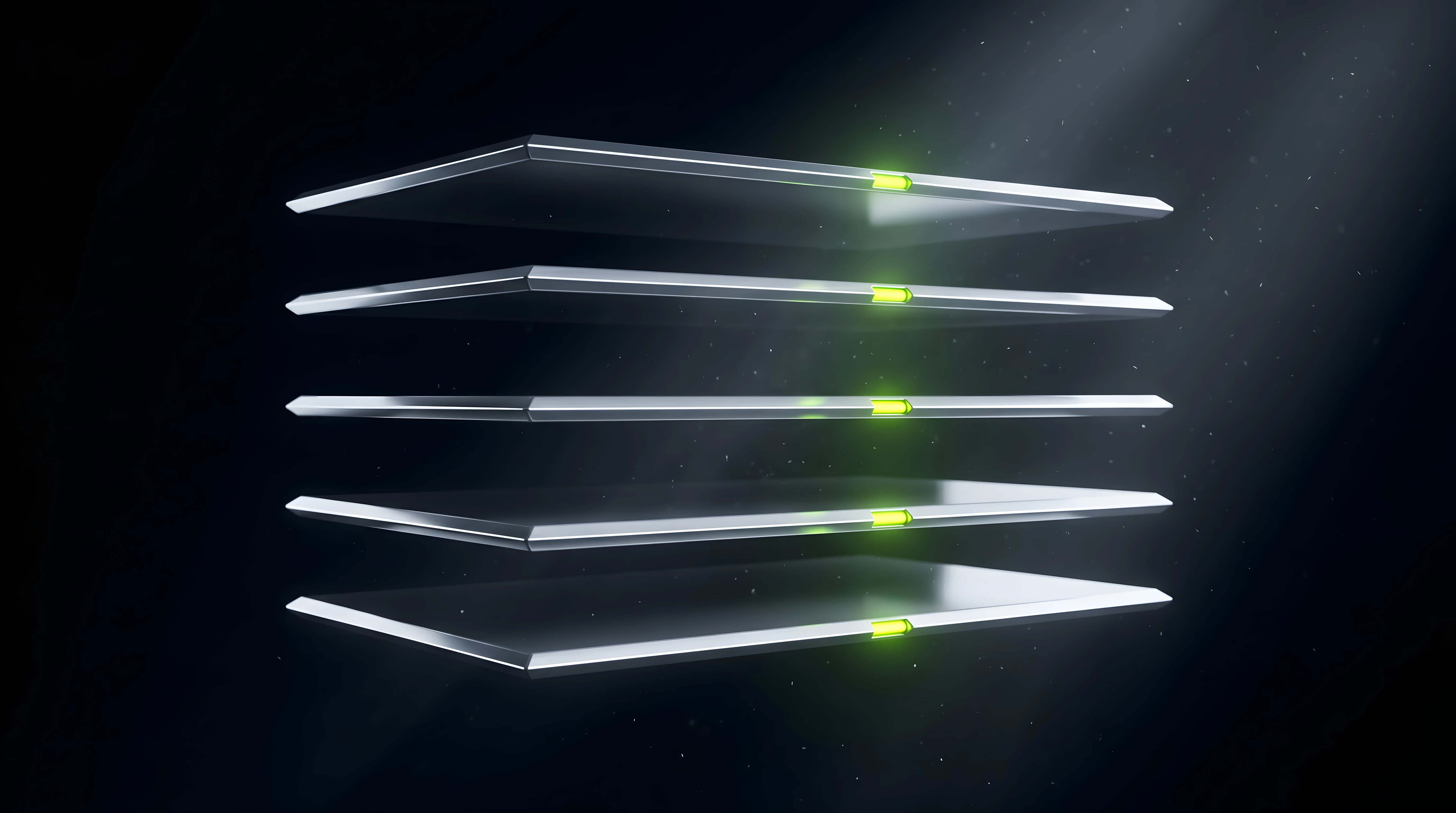
Every sound logo is a stack of five decisions. Name each one out loud and you can defend the whole mark against the brief.
Pitch. The tonal center. A single anchor note or a short interval. This sets whether the mark feels grounded or bright.
Timbre. The palette. What the sound is made of: a synth, a struck object, a voice, a processed field recording. Timbre is where most of the brand personality lives.
Motion. What the sound does across its length. Does it rise, fall, arrive, or hang open? Motion is the difference between a mark that resolves and one that asks a question.
Duration. One to three seconds, ideally under two. Shorter is harder to design and easier to remember.
Resolution. Where it lands. A stable closing note signals confidence and finality. An unresolved ending creates anticipation, useful when the mark leads into something else.
Five decisions, each traceable to a line in the brief. That traceability is what lets you say yes or no to feedback without arguing about taste.
Choose the Gesture

Underneath the anatomy sits one bigger choice: the gesture. There are three families.
Melodic. A short sequence of notes, hummable, interval-driven. Strong for warmth, memory, and human brands. The risk is sounding dated or too much like a jingle.
Textural. A swell, an impact, a whoosh, a single evolving tone with no melody. Strong for technology, premium, and minimal brands. The risk is blandness, since texture without a hook is easy to forget.
Hybrid. A textural bed with one melodic accent, or a single note with a distinctive timbre. Most modern sound logos live here because it balances memorability against restraint.
Pick the family from the brand, not the trend. Our roundup of successful sonic branding examples and the Netflix versus Disney comparison show the same gesture solved very differently depending on what the brand needed to feel like.
A Production Workflow That Protects the Idea
Once the gesture is chosen, production is fast if you keep it disciplined.
Sketch the gesture before you synthesize it. Hum it, sing it, tap it. If you cannot perform it from memory, it is not memorable yet.
Build a tight palette. Two or three sound sources, no more. Every extra layer is something the listener has to ignore.
Render three to five variations, not thirty. Volume of options is procrastination. A handful of sharp directions beats a folder of near-duplicates.
Carve to length. Cut elements until the mark almost breaks, then add exactly one back. The final second is usually the most expensive and the least necessary.
Mix for mono and small speakers. Your studio monitors are lying to you. The mark will mostly play on phones, laptops, and TV speakers.
The whole point is to spend your energy on the decision, not the rendering. The render is cheap. The choice is the work.
Test It Where It Lives
A sound logo that only works in the studio does not work. Before you call it finished, run four tests, and for the full validation method see how to test a sound logo before you ship it.
The phone speaker test. Play it through a laptop or phone speaker. If the low end vanishes and the mark falls apart, redesign the palette.
The mute test. Strip it back to a single accent. A mark with a strong core still reads when reduced to one note. If it needs every layer to land, it is too fragile for the contexts where audio gets ducked or shortened.
The repetition test. Loop it twenty times. People will hear this mark hundreds of times. Charm that turns to irritation on repeat is a defect, not a feature.
The context test. Drop it at the end of a real ad, a real app open, a real checkout. A mark that sounds great in isolation can collapse against the content it follows. Brands that treat audio as part of the interactive experience design for this from the start.
Deliver the System, Not One File
A sound logo is not a single render. It is a small system, and delivering it as one file guarantees it gets misused.
Hand off the full mark, a short version, and a single-note tag for tight spots. Include the stems so future work can rearrange the palette without rebuilding from scratch. Provide both an uncompressed master and a compressed delivery format, and document the tempo, key, and tonal center so the mark stays consistent when other people extend it.
All of this belongs inside the guidelines document, not a loose folder. The guidelines are what keep the mark intact after you leave the room. If you are scoping this work for a client or pricing your own time, our sonic branding pricing guide breaks down where sound logo design sits in a full engagement.
A 6-Point Self-Audit Before You Ship
Run the mark against this list. A no anywhere means more work, not a compromise.
Is it under three seconds, ideally under two?
Is it recognizable through a phone speaker?
Does it still read when reduced to a single accent?
Does it survive twenty repeats without irritating?
Is it tied to the brief's emotional target rather than your personal taste?
Is it delivered as a system, with variations, stems, and formats?
FAQ
How long should a sound logo be? One to three seconds, and shorter usually wins. Under two seconds forces the discipline that makes a mark memorable.
Melody or texture? Brand-dependent. Warm, human, consumer brands lean melodic. Technology and premium brands lean textural. Most land on a hybrid with one distinctive accent.
Can a music producer design a sound logo? Yes, and the skill transfers well. The shift is from arrangement to restraint. Producers exploring this can read how a sonic signature becomes a sellable asset and how to license to sonic branding agencies.
What does a sound logo cost? It depends on whether it ships alone or inside a full identity. See the pricing guide for ranges.
We design sound logos as the centerpiece of full sonic identities at Supadark, from brief through delivered system. If your brand has a wordmark but no sound, that is the gap we close. Start a project with us.