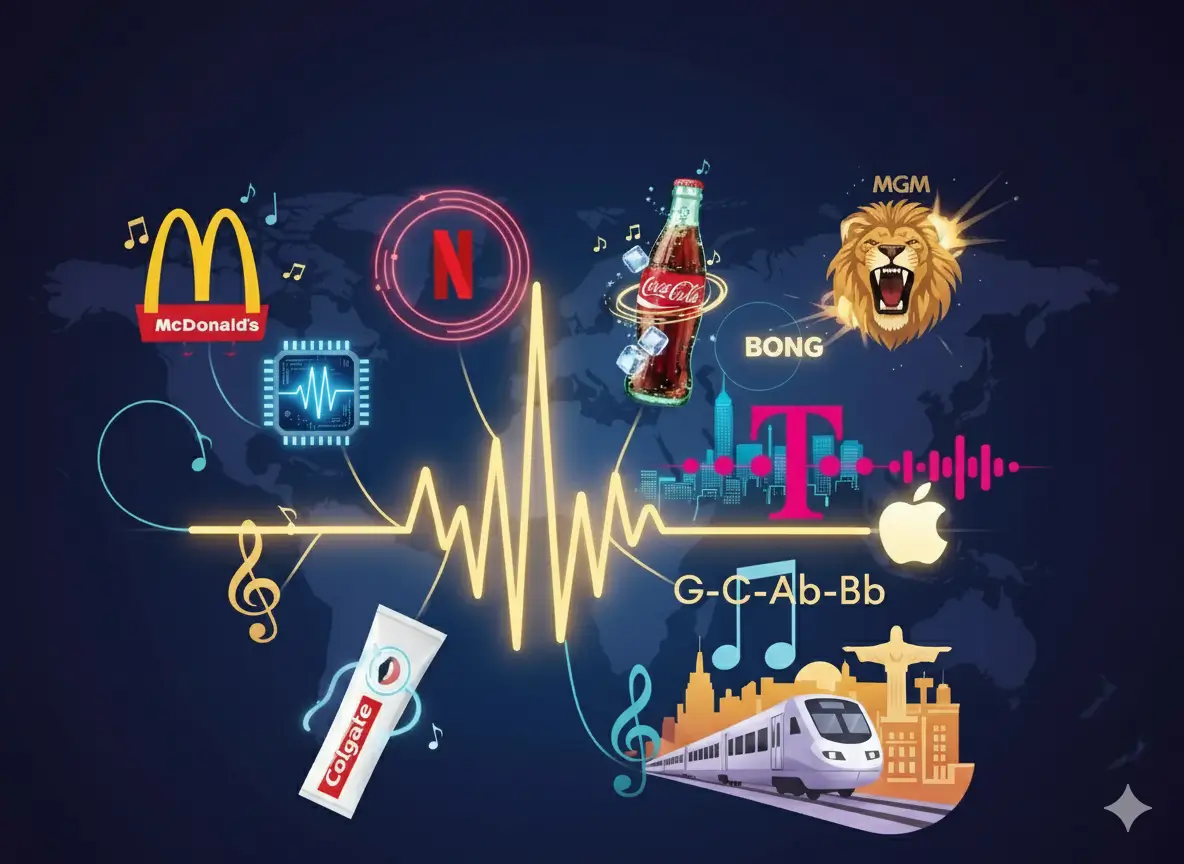
Quick answer: the most successful sonic branding — Intel's "bong," McDonald's "I'm Lovin' It," Netflix's "ta-dum," the Mac startup chime, the T-Mobile and SNCF mnemonics — all share four traits: they're short, distinctive, emotionally aligned with the brand, and used consistently everywhere. Below, ten examples and exactly why each one works.
The power of sonic branding is most evident when you examine brands that have mastered it. Their audio identities aren't just sounds; they are potent assets that evoke immediate recognition, trigger emotions, and reinforce the brand's core message.
Brand | Sonic element | Why it works |
|---|---|---|
McDonald's | "I'm Lovin' It" 5-note hook | Simple, hummable, globally adaptable |
Intel | The "bong" mnemonic | 3s, futuristic, ingredient-brand equity |
Netflix | "Ta-dum" | Pavlovian start-of-entertainment cue |
Apple | Mac startup chime | Clean, "designed," premium |
Coca-Cola | Sonic ecosystem (jingles + SFX) | Happiness, togetherness, longevity |
MGM | Leo the Lion roar | Non-musical logo, cinematic prestige |
T-Mobile | 5-note mnemonic | Synced to logo dots, market dominance |
Colgate | Hummed melody | Language-neutral, optimism |
MetrôRio | Announcement voice + jingle | Environmental, daily familiarity |
SNCF | 4-note chime | Call-to-attention + cultural crossover |
McDonald's
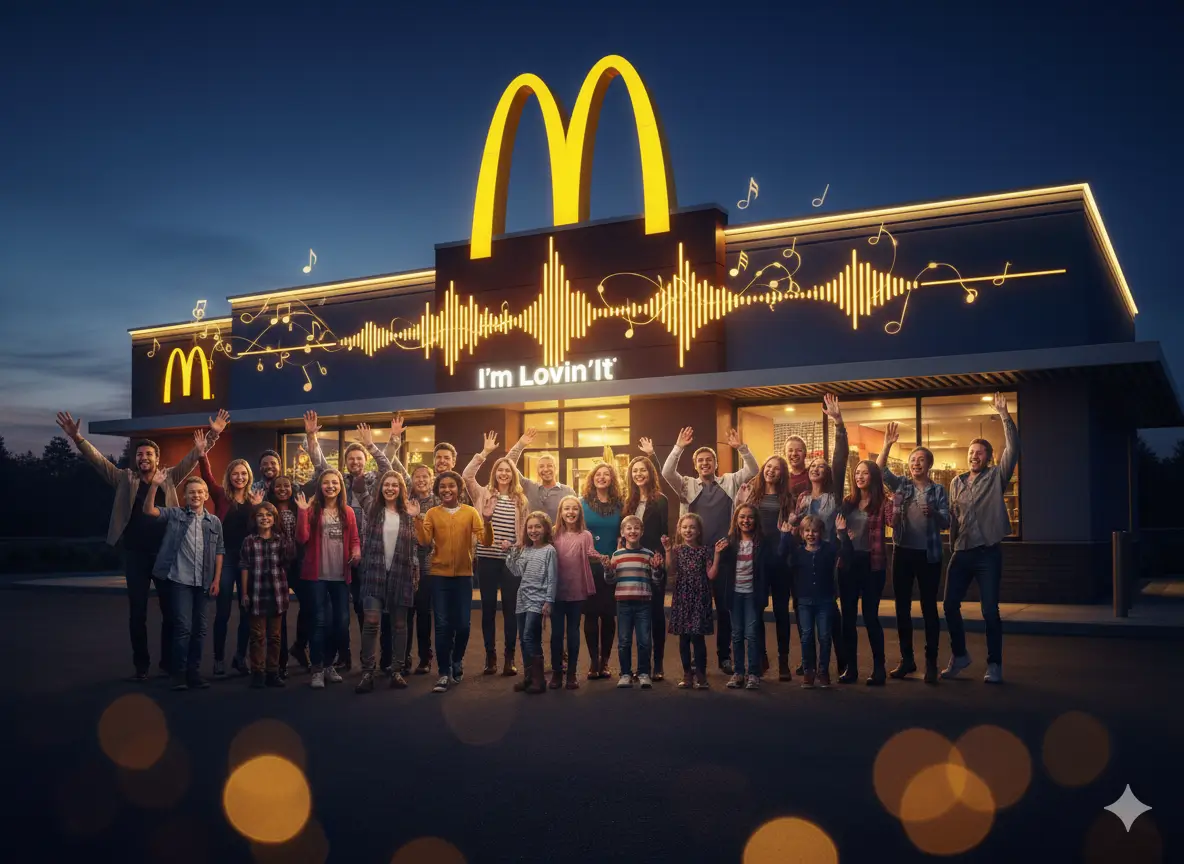
"I'm Lovin' It": Watch the Evolution of the Five-Note Hook
The Sonic Element: The iconic "ba da ba ba ba" five-note vocal hook, often accompanied by the full "I'm Lovin' It" jingle.
Why It's Successful:
Universality & Simplicity: The melodic hook is incredibly simple, memorable, and easy to hum, making it stick in people's minds globally.
Adaptability: While the core notes remain, the jingle has been adapted across countless musical genres, languages, and campaigns, demonstrating remarkable flexibility while maintaining core recognition.
Positive Association: The phrase "I'm Lovin' It" itself is positive and aspirational, reinforcing feelings of enjoyment and simple pleasure.
Consistency: Its consistent use across all touchpoints has cemented its place as a core brand identifier.
Strategic Impact: It ties together a global brand, creating a unified audio signature that transcends cultural barriers.
Intel
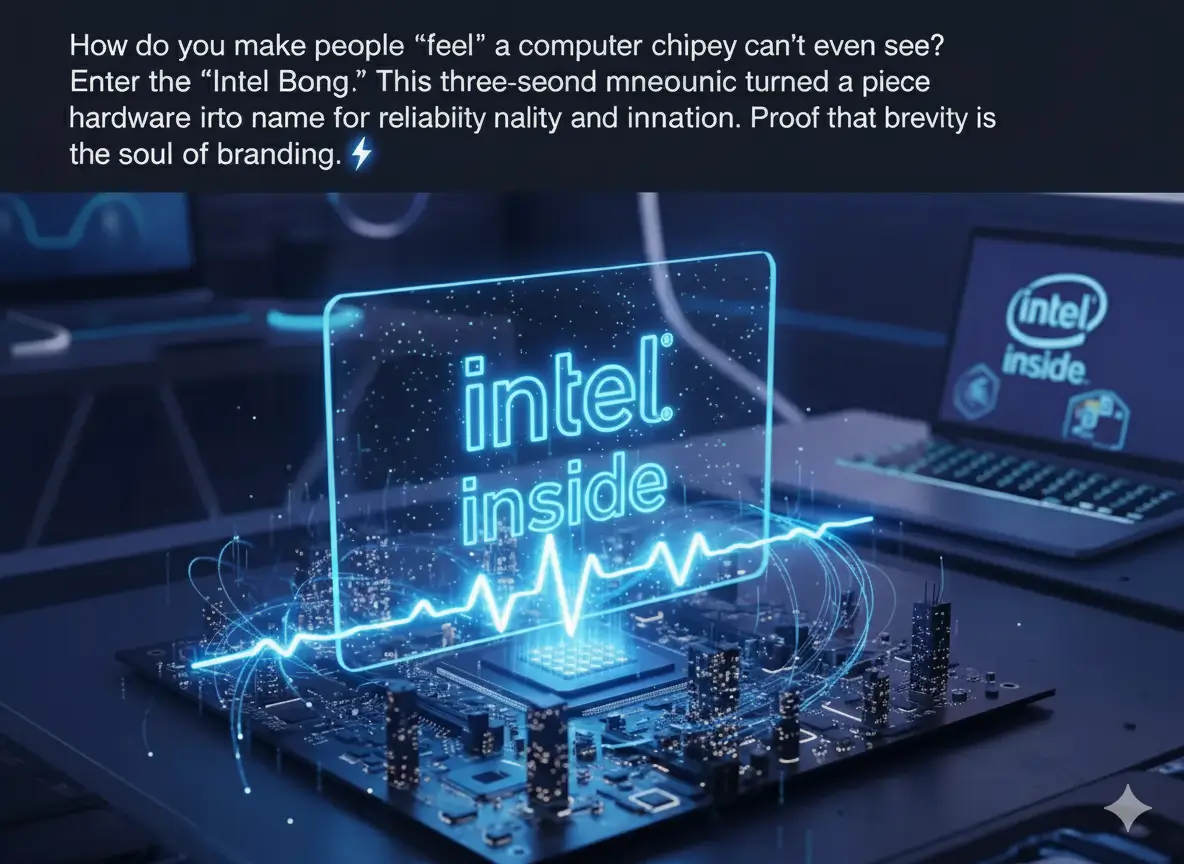
"Intel Inside": Hear the Original Intel Bong and its History
The Sonic Element: The distinctive five-note (D♭-G♭-D♭-A♭-D♭) mnemonic, often referred to as the "Intel bong."
Why It's Successful:
Brevity & Distinctiveness: At around three seconds, it's incredibly short yet unique enough to be instantly recognizable. Its synthesized, futuristic tone was groundbreaking for its time.
Conveys Brand Attributes: The sound feels precise, technological, and reliable, directly reflecting Intel's positioning as a leader in innovation.
Strategic Co-Branding: By placing this sound and logo on computers made by other manufacturers, Intel built its brand directly with consumers.
Strategic Impact: It transformed an ingredient brand into a household name, creating immense brand equity and consumer trust.
Netflix
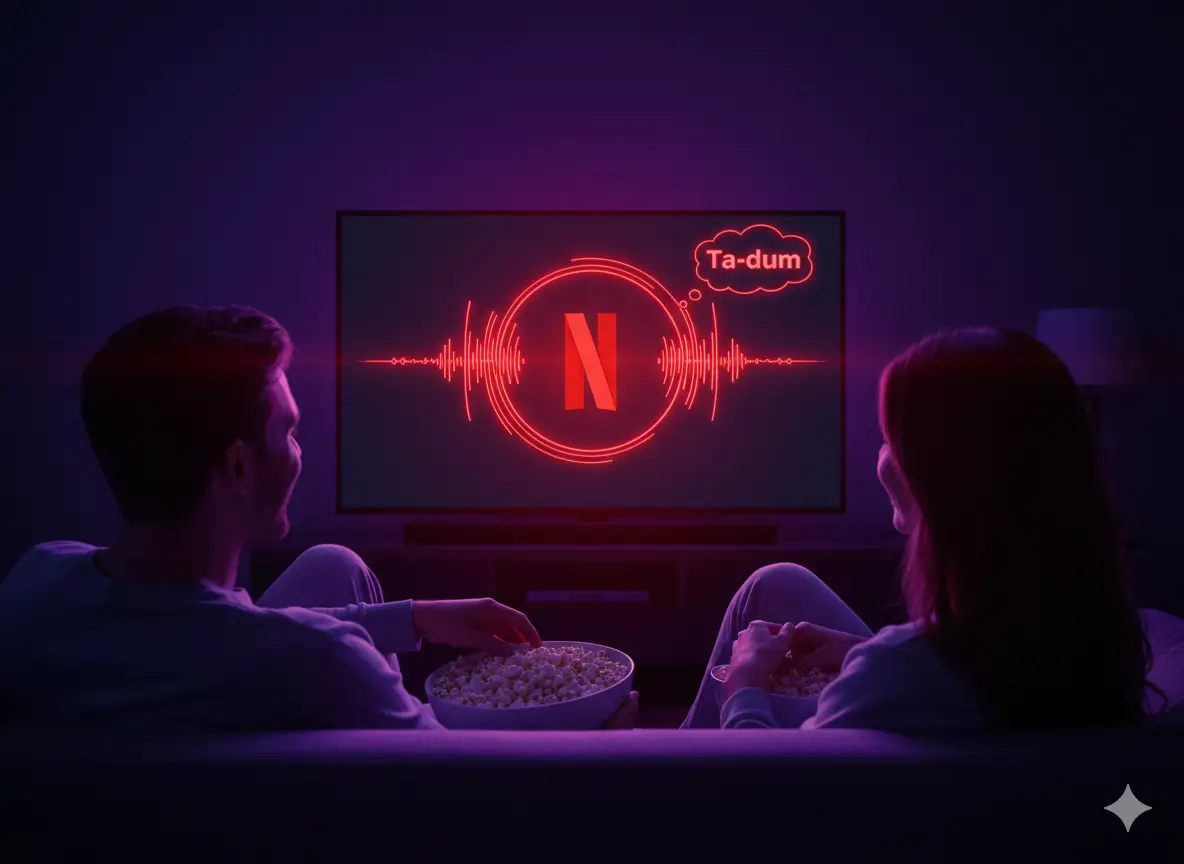
"Ta-dum": Experience the Netflix Intro Sound
The Sonic Element: A short, percussive, and slightly swelling sound that accompanies the Netflix logo animation.
Why It's Successful:
Pavlovian Association: Users hear it and immediately associate it with the start of their chosen entertainment, creating anticipation and pleasure.
Emotional Connection: It signals a transition into a world of stories, escape, and relaxation.
Brevity & Uniqueness: It's short, distinctive, and doesn't overstay its welcome.
Strategic Impact: Netflix created a globally recognized sonic signature that enhances the user experience. For a deeper look, see how its approach compares with Disney+'s sonic strategy.
Apple
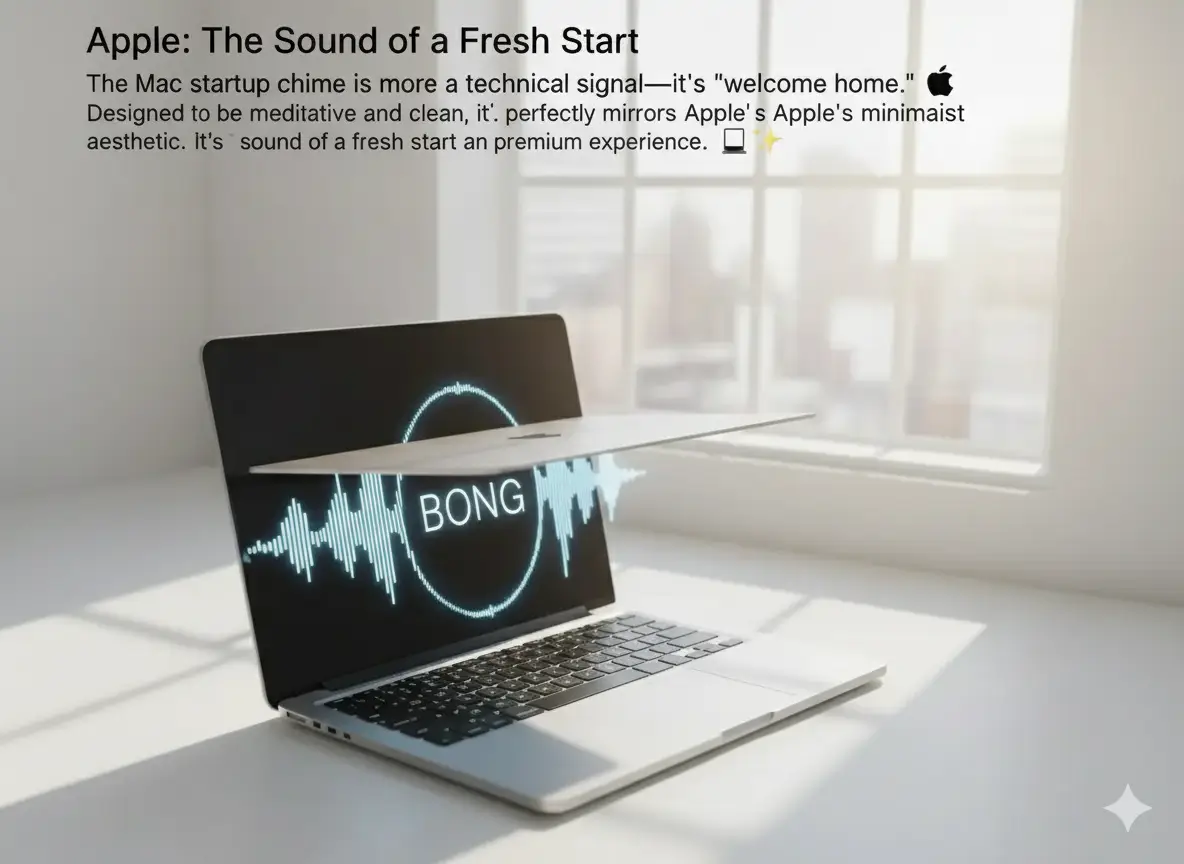
"Startup Chime": Listen to the History of the Mac Startup Chimes
The Sonic Element: The distinct, resonant "bong" sound that plays when most Mac computers start up.
Why It's Successful:
Welcoming & Reassuring: The sound acts as a welcoming signal, with a calm, clear, almost meditative quality.
Reflects Brand Values: The chime's clean, minimalist tone aligns perfectly with Apple's image of premium quality and simplicity. It sounds "designed."
Global Recognition: Even people who don't own Macs recognize the sound.
Strategic Impact: It contributes to the premium feel of Apple products and creates a consistent brand touchpoint at the very start of interaction.
Coca-Cola
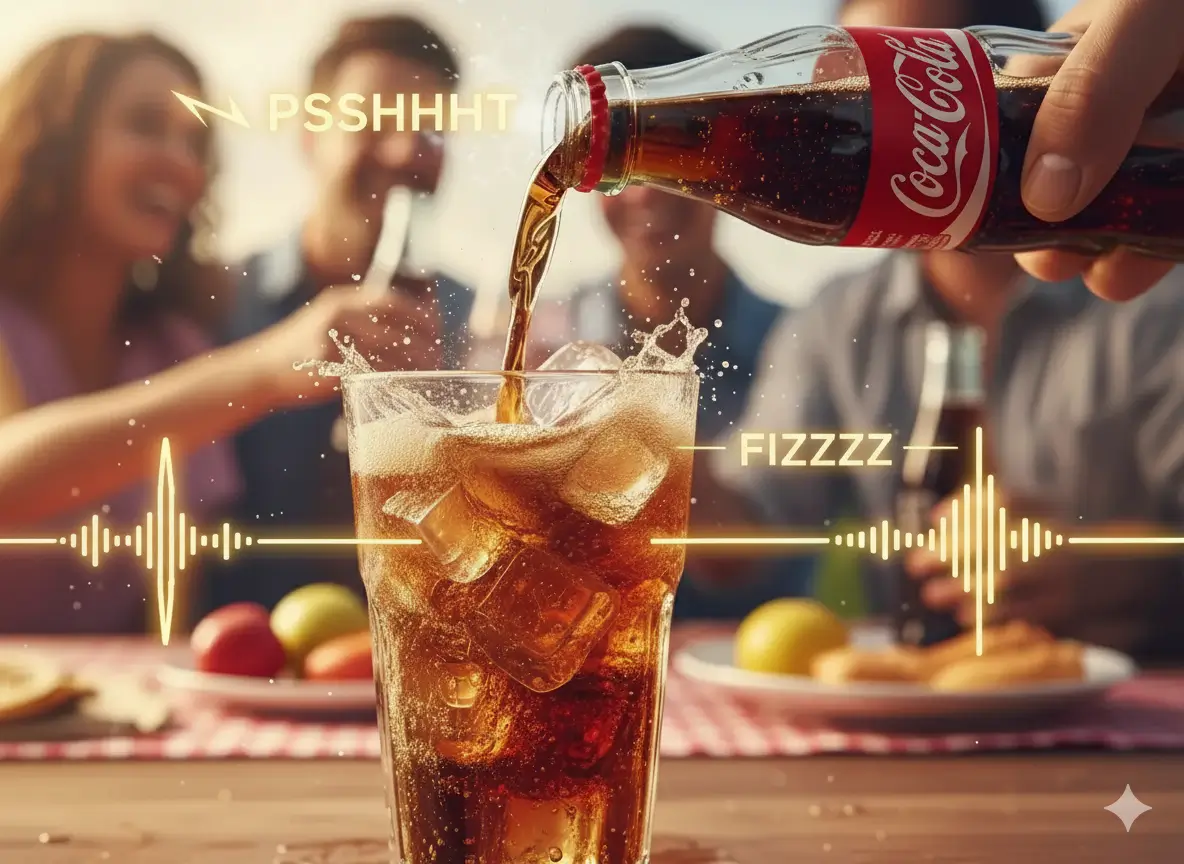
"Sonic Ecosystem": The "Open Happiness" and "Taste the Feeling" Anthems
The Sonic Element: Coca-Cola's sonic branding is more of a "sonic ecosystem" than a single mnemonic: classic jingles, the "psssht" of a can opening, melodic themes, and custom sound palettes (Coke SoundZ).
Why It's Successful:
Emotional Resonance: Consistently linked to happiness, togetherness, refreshment, and optimism.
Holistic Integration: Sound is woven deeply into advertising, events, and overall brand experience.
Strategic Impact: Coca-Cola uses sound to reinforce its identity as a purveyor of happiness, making its audio as iconic as its visual logo.
MGM (Metro-Goldwyn-Mayer)
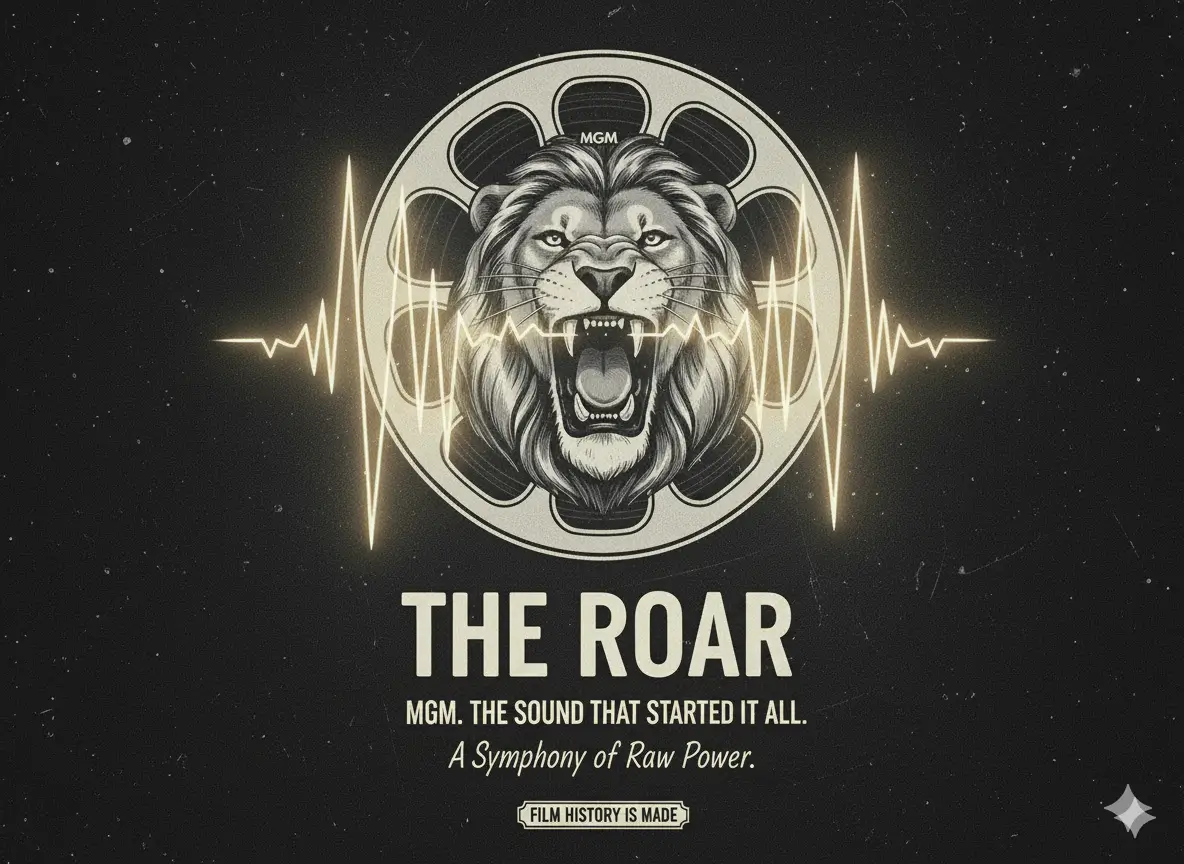
"Leo the Lion": The Evolution of the MGM Lion Roar (1916–2017)
The Sonic Element: The powerful roar of "Leo the Lion."
Why It's Successful:
Pioneering & Iconic: One of the earliest and most famous examples of sonic branding.
Uniqueness (Non-Musical): It demonstrates that a sound effect, not just music, can be an incredibly potent sonic logo.
Emotional Impact: It evokes anticipation, drama, and a sense of tradition and prestige in filmmaking.
Strategic Impact: It established an enduring audio signature for a major film studio.
Deutsche Telekom / T-Mobile
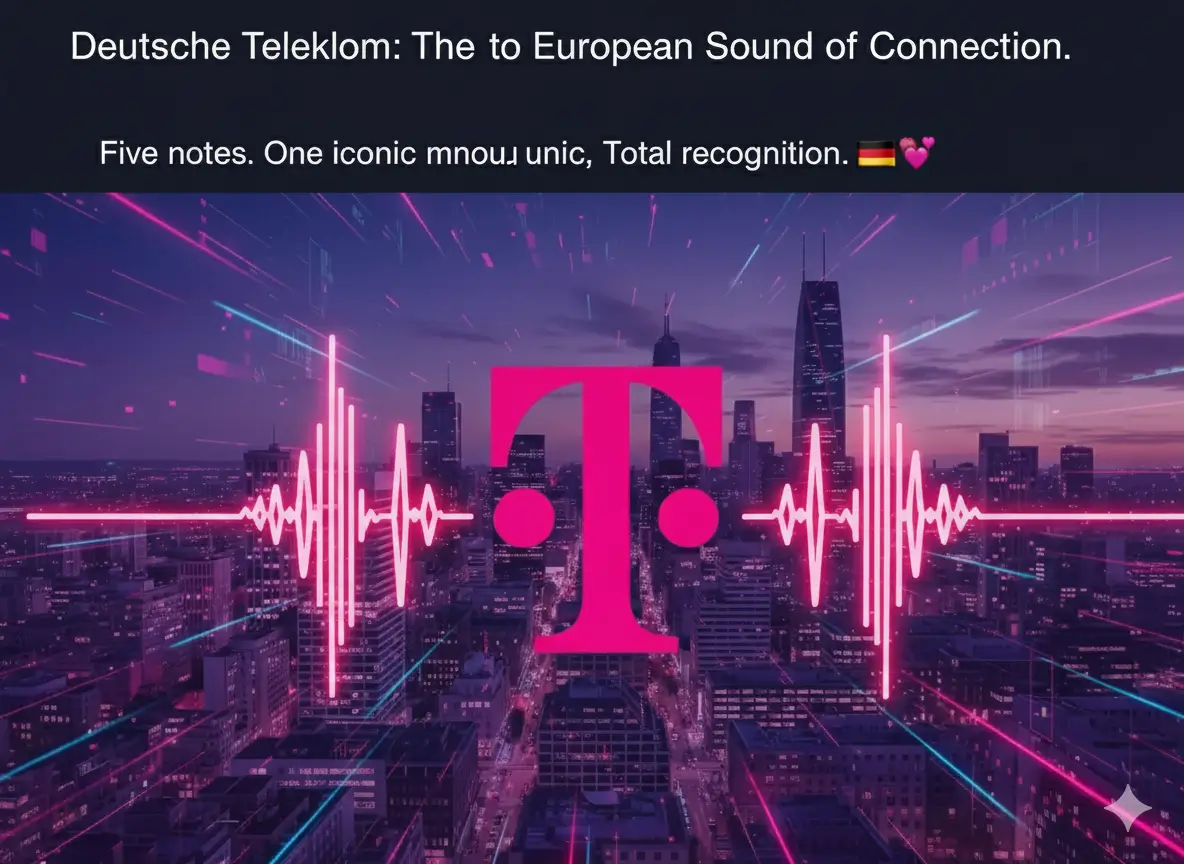
"Deutsche Telecom / T-Mobile": The Iconic Five-Note European Mnemonic
The Sonic Element: The world-famous five-note mnemonic (C-C-C-E-C) played on a distinctive, bright synthesizer.
Why It's Successful:
Extreme Simplicity: The rhythmic pattern is so structurally sound that it is recognizable even when hummed.
Visual-Audio Sync: The sound is perfectly synced with the five dots in the "T" logo.
Longevity: Created in 1999, it has remained virtually unchanged, building massive brand equity.
Strategic Impact: It is the gold standard of European corporate sonic identity.
Colgate
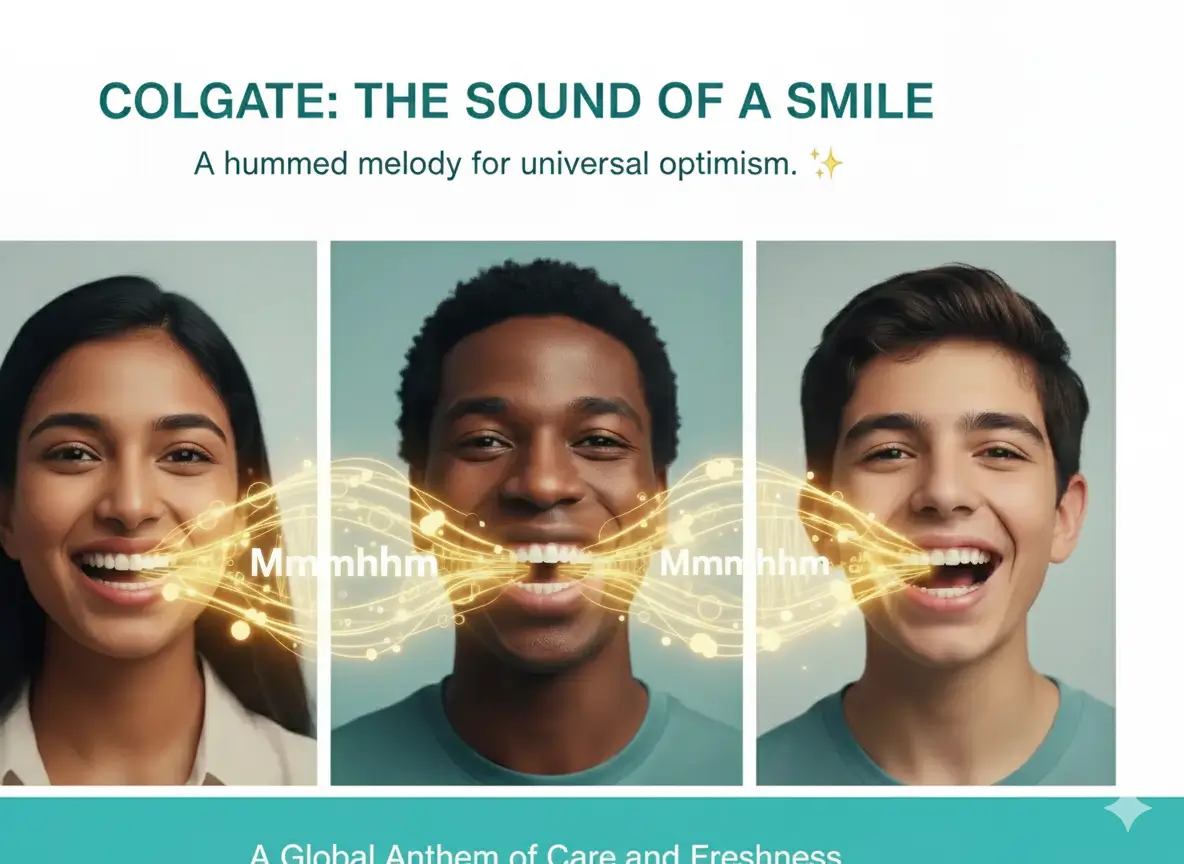
"Colgate": The Hummed Sonic Logo Case Study
The Sonic Element: A more recent example, Colgate developed an uplifting, hummed melody as its sonic logo.
Why It's Successful:
Universal Appeal: By using a hummed melody, it transcends language barriers, suiting a global brand.
Emotional Goal: Designed to evoke optimism, freshness, and care.
Strategic Impact: Aims to create a consistent, positive audio association globally without relying on lyrics.
MetrôRio (Rio de Janeiro's Metro System)
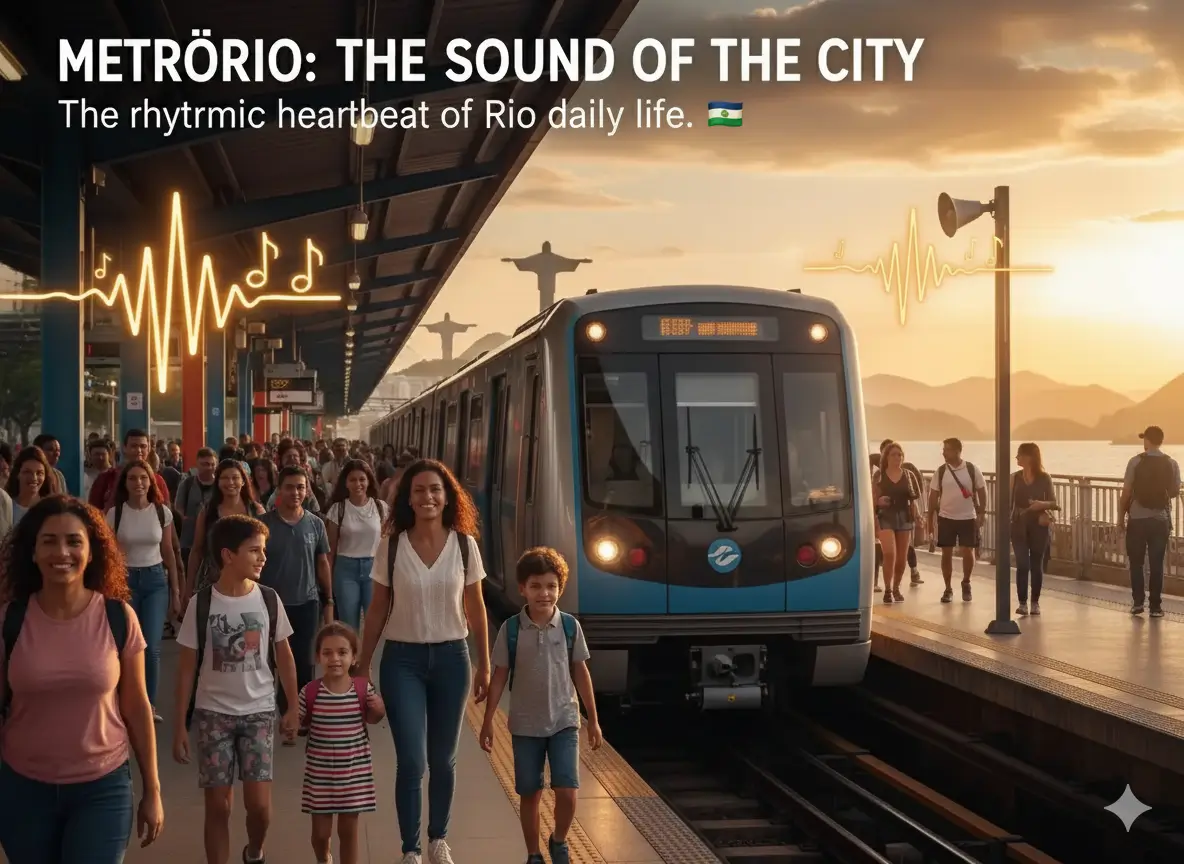
"MetrôRio":The Rio de Janeiro Metro Jingle and Announcements
The Sonic Element: The specific voice used for announcements, along with a recognizable musical theme.
Why It's Successful:
Environmental Branding: The sounds become an integral part of the daily commuting experience for millions.
Familiarity & Wayfinding: Consistent sounds aid navigation and create predictability for passengers.
Strategic Impact: Demonstrates how sonic branding shapes experience in public services and urban environments.
SNCF (French National Railway Company)
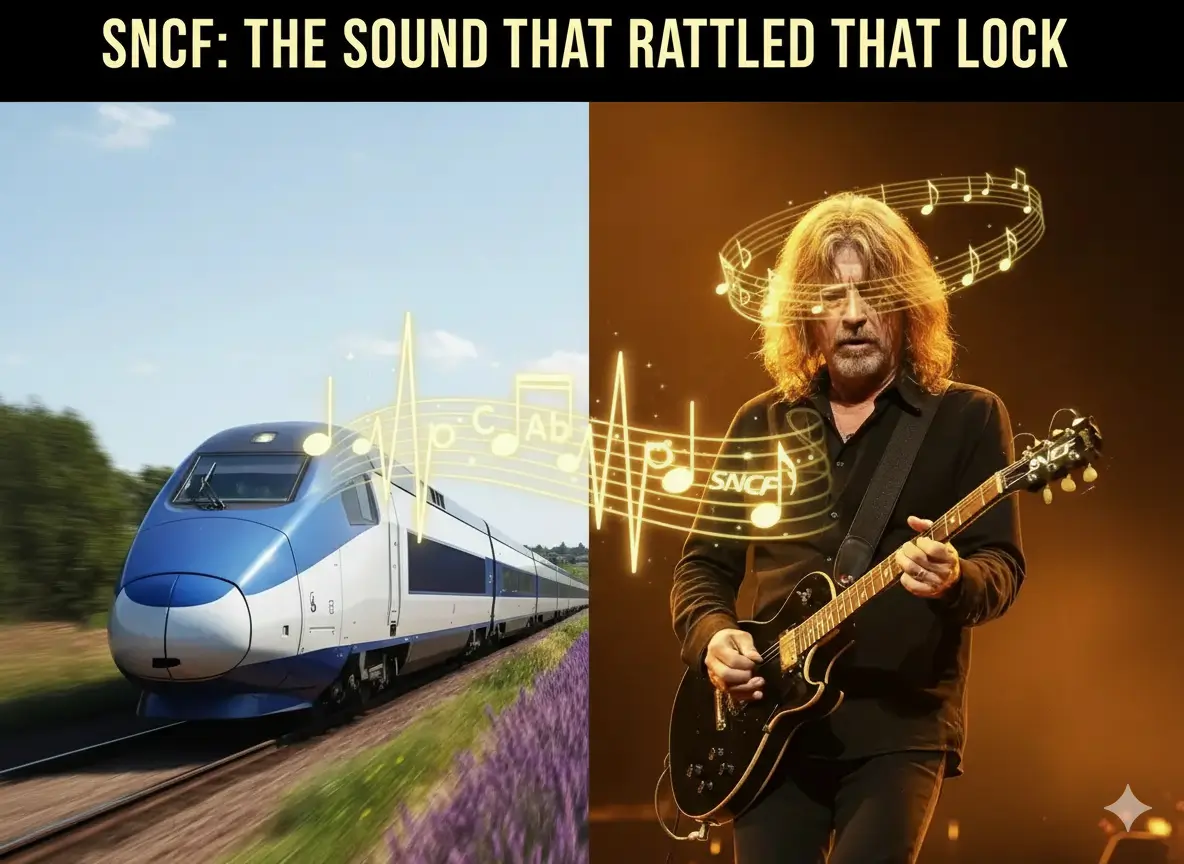
"SNCF": The SNCF Chime and how David Gilmour turned it into a hit song
The Sonic Element: A bright, four-note melodic chime (G-C-Ab-Bb) created by Michaël Boumendil that precedes every station announcement across France.
Why It's Successful:
Pavlovian Utility: In a loud station, this chime acts as a "call to attention," cutting through the noise.
Emotional Resonance: For many, the sound evokes the romance of travel — a deeply emotional "sound of France."
Cultural Crossover: David Gilmour of Pink Floyd sampled it into the title track of his 2015 album Rattle That Lock.
Strategic Impact: The most famous example of a brand "owning" a public space, proving a sonic logo can influence global pop culture.
What these examples teach 2026 brands
The common thread across every example above is restraint plus repetition: a tiny, distinctive sound used relentlessly until it becomes shorthand for the brand. In 2026 the opportunity has widened — sound now extends into apps, podcasts, voice assistants, and interactive websites — but the principle is unchanged. A brand doesn't need a Coca-Cola budget to start; it needs one ownable sound and the discipline to use it everywhere. The brands that win the next decade of audio are the ones treating their sound logo as seriously as their visual one.
TL;DR
Successful sonic branding is far more than a catchy tune. It's a strategic endeavor that involves understanding the brand's essence, the audience's emotional landscape, and consistently applying a distinctive, meaningful audio identity across all touchpoints. When done well, it becomes an invaluable asset, deeply embedding the brand in the cultural consciousness.
Frequently asked questions
What is sonic branding?
Sonic branding is the strategic use of sound — a sound logo, jingle, UX sounds, or a full audio system — to make a brand instantly recognisable and emotionally resonant across every touchpoint.
What is the most famous example of sonic branding?
Few are more recognised than Intel's "bong," McDonald's "I'm Lovin' It" five-note hook, and Netflix's "ta-dum." Each is short, distinctive, and used consistently worldwide.
What makes sonic branding successful?
Brevity, distinctiveness, emotional alignment with the brand, and relentless consistency across channels. The sound has to mean something about the brand and appear everywhere the brand does.
Can a sound effect be a sonic logo?
Yes. MGM's lion roar and the Mac startup chime prove a non-musical sound can be as ownable as a melody — what matters is recognisability and consistent use.
How long should a sonic logo be?
Most iconic ones are 1–3 seconds. Intel's bong is about three seconds; Netflix's ta-dum about two. Short enough not to intrude, distinctive enough to stick.
How do I create sonic branding for my brand?
Start with the four fundamentals, define the emotion you want to own, design a short sound logo, then extend it into a consistent system. See our sonic branding process and pricing guides for the full path.
Curious about what your specific brand could sound like? If you are ready to turn your visual identity into a complete sensory experience, now is the moment to start the conversation about your sonic branding system.