A producer who can be recognized in three seconds owns a market the rest never reach. Most beat catalogs sound clean, mixed, listenable. Very few sound like someone. That gap is the entire opportunity.
In our last note on music producer revenue streams, we flagged sonic branding as the highest-margin channel a producer can add without changing their stack. This piece zooms in on the missing piece: the sonic signature itself. The thing you build once and license forever.
We are not talking about a tagline or a watermark. We are talking about a compact sound system — drop, signature, motif, texture — that travels across your portfolio, your client decks, your TikTok cuts, and eventually onto your clients' products. Done right, it shortens every sales cycle you run for the next five years.
What a sonic signature actually is
A sonic signature is a small, repeatable set of audio elements that identifies you the second a listener hears them. Three things separate it from a beat or a producer tag.
It is systematic — designed to work at different lengths (3s, 5s, 10s) and across different contexts (intro, transition, end-card).
It is portable — it survives compression, mobile speakers, voiceover stacking, and the ten other things that murder most beat productions.
It is legible — even a non-musician can describe it in plain language. "Dark, glassy, one rising note." That kind of phrase.
A producer tag like a screamed name in a bass drop does not pass these tests. It works in trap. It does not work in a sonic branding deck. The two coexist, but only one of them is monetizable as licensed IP.
Why 2026 is the year to build one
Three shifts converge this year. None of them are about you. All of them benefit producers who already have a signature ready.
First, brands are buying sound assets faster than agencies can produce them. Independent producers with a recognizable identity are pulling work that used to land at boutique audio shops, because turnaround is faster and price points fit the new mid-market reality.
Second, AI generation tools made generic sound effectively free. The premium has shifted to taste, point of view, and identity. A signature is the cheapest insurance against being treated like a stock library.
Third, every platform that matters — Spotify Canvas, TikTok, YouTube Shorts, ad networks — now rewards memorability over polish. A six-second loop with a strong signature beats a thirty-second beat with no point of view, every time.
The producers who win this year are not the most technical. They are the most recognizable. Recognition is built. We are going to show you how.
The four layers of a working signature
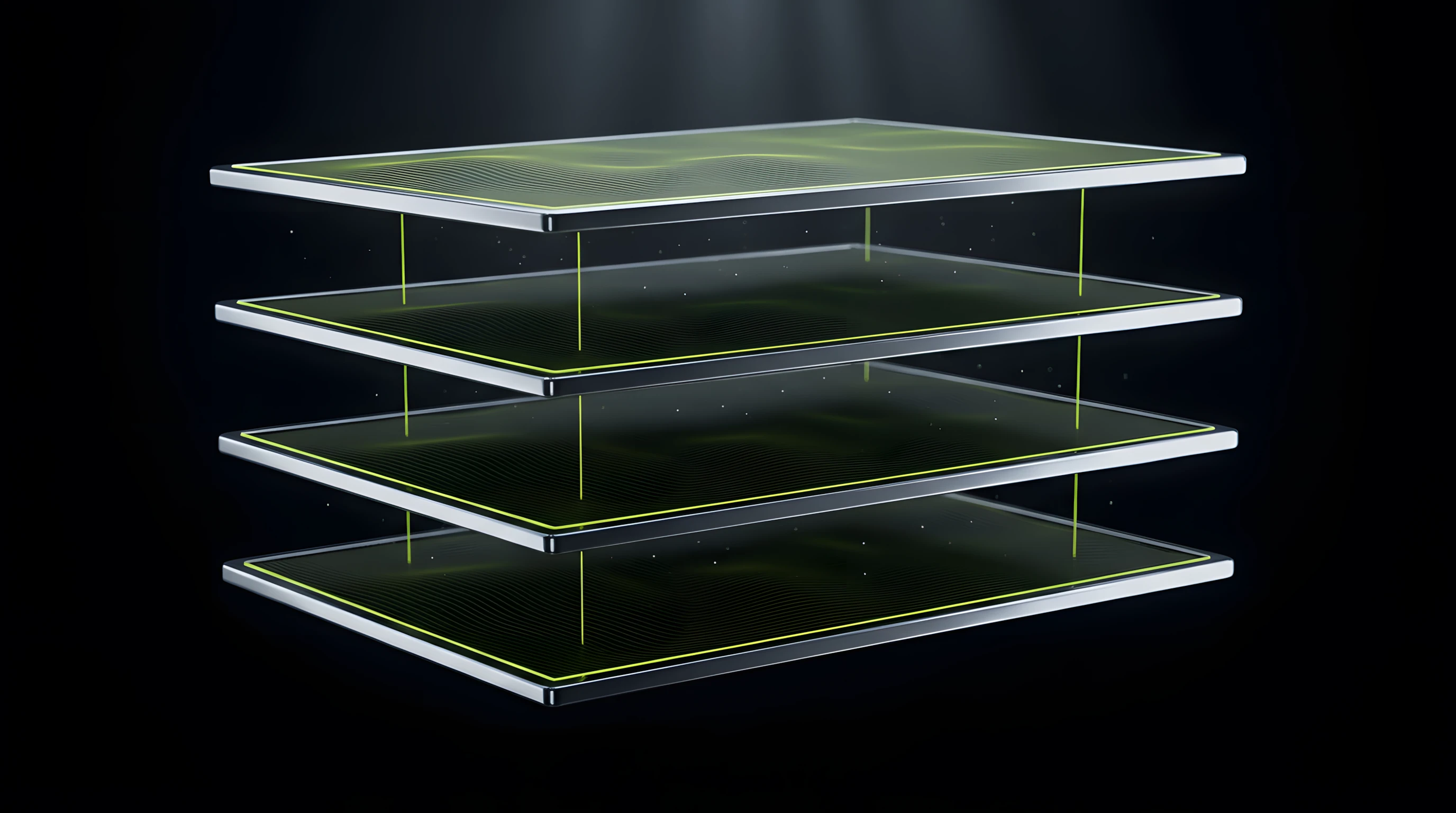
Every signature we have helped build at Supadark sits on four layers. Skip one and the whole system gets fragile.
Layer 1 — The sound logo. Three to five seconds. One musical idea. Designed to be the first and last thing a listener hears. This is your "Intel inside" moment, scaled for a solo producer. It should work without a beat under it.
Layer 2 — The signature motif. A 2–4 note melodic or rhythmic phrase you can drop inside any production. It is the seasoning, not the meal. Use it in intros, transitions, end-cards, voicemail, anything you control.
Layer 3 — The texture bed. A consistent sonic environment — pad, drone, room tone — that you reuse across pieces. Texture is what makes two unrelated tracks feel like they come from the same studio.
Layer 4 — The brand kit. Production files (WAV stems, MIDI, presets), licensing tiers, and usage rules. Without the kit, the signature is a hobby. With it, the signature is a product.
We covered the technical side of how to host the audio examples on your portfolio in Music Producer Portfolio Audio Players. The signature lives upstream of the player. Build it before you worry about playback UX.
How to write your sound logo in one afternoon
The sound logo is the highest-stakes asset and the one producers overthink the most. Here is the compressed workflow we use with our sonic branding clients, adapted for solo producers.
Spend 20 minutes writing down three adjectives that describe how you want listeners to feel. Not how you want to sound. How they should feel. "Composed, dangerous, certain" lands harder than "dark, warm, deep."
Pick one instrument or texture that you cannot live without. A producer who builds their identity on a Juno-60 and one specific saturation chain is more recognizable than a producer who uses every plugin they own. Constraint is identity.
Write four candidates. Three seconds each. One musical idea per candidate. A rising interval, a stuttered hit, a single sustained note that resolves, a percussive figure with a melodic tail. Resist arrangement.
Mix them at low volume on your laptop speakers. A logo that works at 40% volume on a phone speaker works everywhere. A logo that needs your studio monitors to hit is a song, not a logo.
Pick the one a non-musician friend can hum back to you after one listen. That is your sound logo. The other three become motifs or B-sides.
Productize it: the brand kit no client can ignore
Most producers stop at "I have a sound logo." That is not a product. That is a sketch. The kit turns the sketch into something a brand will actually pay for.
A minimum kit ships:
Master files — uncompressed WAV at 24-bit/48kHz, plus stems for each layer
Format variants — 3s, 5s, 10s, plus a 1s ident for end-cards
Visual companion — waveform PNG and a one-sentence description ("Composed, dangerous, certain")
Licensing one-pager — three tiers (single-use, brand-wide, exclusive) with starting prices
The one-pager is where most producers leak revenue. Vague pricing kills inbound. A buyer who sees "starting at €1,500 for single-use, €4,500 for brand-wide" qualifies themselves into or out of the conversation in fifteen seconds. That is the entire point.
If you want a deeper teardown of pricing structures, we covered the full breakdown in our sonic branding 101 piece. The short version: tier on usage rights, not hours.
Where the signature lives — and why your website matters
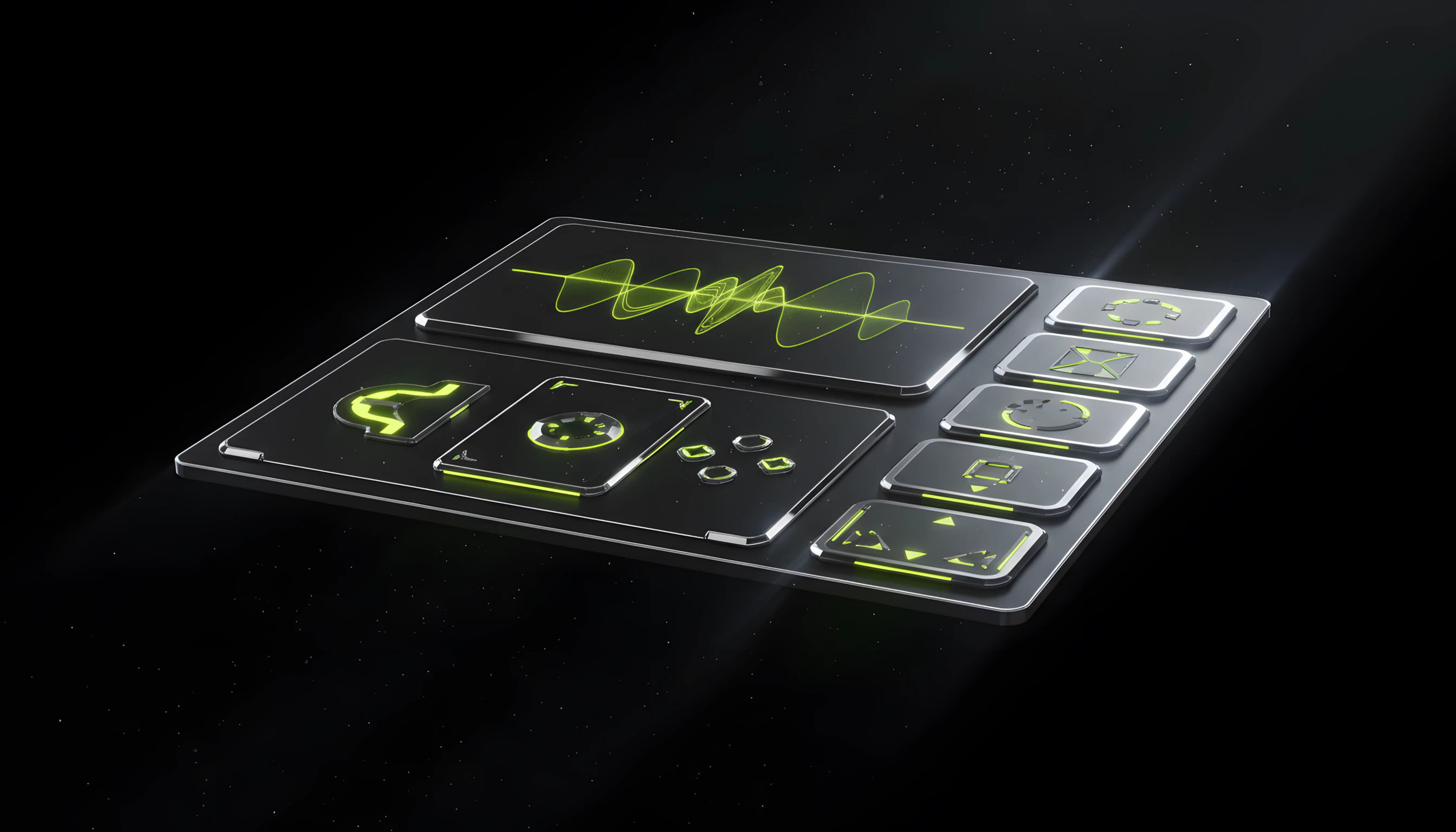
A signature you cannot demonstrate is a signature that does not exist. The portfolio is where the asset becomes a sale.
Three placements do most of the work.
The hero section plays the sound logo on autoplay-on-interaction (never autoplay-on-load — that is a 2014 mistake brands still get penalized for). A producer hero with a working 3-second ident converts twice the rate of one with a still image and a name.
The case study page shows the signature in context. One per client. Before/after audio, decision log, three sentences on the brief. Most producers post links to Spotify and call it a day. Brands do not care about Spotify. They care about how you think.
The services page lists the kit as a product. Not a service. Not "let's talk." A product. With a price floor. With a turnaround window. With a deliverable list. The shift from "let's discuss" to "here is what you get for €4,500" is the single biggest revenue unlock most producers ignore.
Your Framer site can do all three out of the box. The hero needs a sticky audio player. The case study needs an embedded waveform player with clean states. The services page needs structured pricing tables.
How to test if your signature is actually working
Three signals tell you whether your signature has earned its keep. Track them quarterly.
Recognition rate. Play your sound logo to ten people who have heard you mentioned but never heard your music. Ask them to describe it in one sentence. If seven out of ten land on the same word — "dark," "glassy," "tense" — your signature is doing its job.
Inbound mention. When prospects email you, do they reference the sound or the bio? If they cite the sound first — "I heard your ident on X and wanted to ask about a project" — the signature is now your salesperson.
License close rate. Of qualified inquiries, how many close on the kit (not on bespoke production)? A signature with a working kit closes faster than custom work because the buyer can audit the asset before the call. Target 30% kit closes inside six months.
If none of these signals move, the issue is rarely the audio. It is almost always one of three things: the kit is missing pricing, the website cannot demonstrate the sound in under five seconds, or the signature is too similar to the genre it lives in. Fix in that order.
What to ship this week
You do not need a brand strategist. You need an afternoon.
This week: write three adjectives, pick one constraint instrument, sketch four candidate logos, ship the strongest one as a 3-second WAV with a one-line description.
Next week: build the brand kit folder — stems, variants, waveform PNG, one-pager pricing.
Week after: update your portfolio. Hero ident, one case study with embedded audio, services page with structured tiers.
Then ship the work to one prospect a week for the next twelve weeks. That is twelve qualified shots before September. If even one converts at €4,500 for a brand-wide license, your signature has paid for itself ten times over.
A producer with no signature competes on price forever. A producer with a working signature competes on recognition — and that market is much smaller, much higher margin, and much harder for the next wave of AI tools to commoditize.
Build the signature. Ship the kit. Charge for the license. The rest follows.